
Quick answer: To clean an engine bay safely: let the engine cool, cover the battery, alternator, fuse box, and any exposed sensors with plastic bags and tape, blow out loose debris, apply degreaser and let it sit 10–15 minutes, scrub gently, then rinse with low-pressure water only – never spray directly at anything electrical. Dry thoroughly, condition the plastics, and reconnect the battery last.
Before You Touch Anything: Let the Engine Cool
A hot engine and cold water is how a $30 Saturday project turns into a $600 Monday phone call. Rapid temperature changes can crack components that were having a perfectly fine day until you introduced a hose to them. Give it at least 30 minutes to an hour after driving. Go make a sandwich. The engine bay isn’t going anywhere.
Grab gloves and eye protection too – degreaser is chemically enthusiastic, and your eyeballs did not sign up for this (source).
Cover Everything That Would Be Expensive to Replace
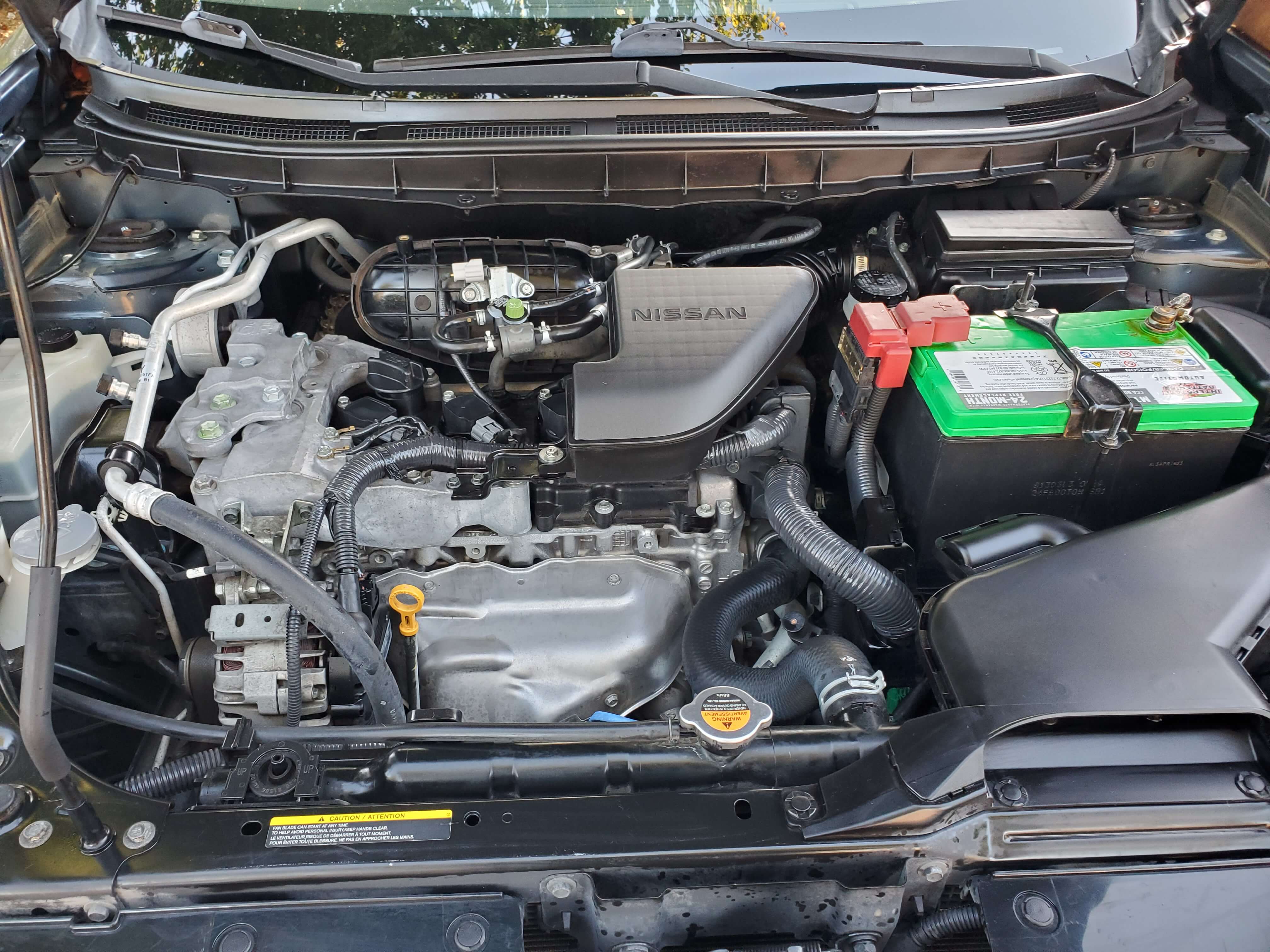
This is the step people skip, and it’s the only one that actually matters. Before any water or degreaser touches the engine, wrap the following in plastic bags and seal them with tape (source):
- The battery and its terminals
- The alternator
- The fuse box
- Any exposed sensors, connectors, or wiring
- The air intake opening
Electrical components and moisture have never once gotten along, and they are not going to start now just because you’re feeling optimistic. Corrosion and short circuits are what happens when someone skips this part and finds out the hard way.
Knock Off the Loose Stuff First
A leaf blower or air compressor clears out the leaves, dust, and mystery crumbs sitting on top of everything, so your degreaser spends its time dissolving actual grease instead of fighting through a layer of dry dirt first. A soft brush handles the corners the air can’t reach.
Degrease, Wait, Then Scrub
Spray a proper engine degreaser generously over the greasy areas and let it sit for 10 to 15 minutes (source). That waiting period is doing the actual work – breaking down grime that’s been baking onto surfaces for years, sometimes since the previous owner. Come back and gently scrub with a soft brush. This is not the moment for a wire brush and main character energy.
Rinse Low, Slow, and Nowhere Near Anything Electrical
Low pressure only. A garden hose on a gentle setting, aimed carefully at the degreaser and away from every bag you just taped down. High-pressure water can force its way past seals and connectors that were never designed to survive a pressure washer, covered or not (source).
Dry Everything Before You Celebrate
Pull the plastic covers off carefully, then dry the whole bay with microfiber towels and, if you have one, an air compressor to chase water out of tight gaps. Let it air dry the rest of the way before reconnecting anything. Trapped moisture on electrical connections is a slow-motion problem that shows up as a mystery check-engine light three weeks from now, and by then nobody remembers you washed the engine.
Finish with a plastic and rubber conditioner on hoses and trim so they don’t look sun-bleached next to your now-spotless engine, and reconnect the battery last, once everything else is dry and back in place.
What We See Out Here
People assume an old, high-mileage engine isn’t worth detailing – that the grime is basically load-bearing at that point. We’ve cleaned two engines in one visit, 14 years old and 11 years old, both past 100,000 miles, and had them looking like they’d just come off the lot. Another customer’s 12-year-old Honda Accord came out, in her words, looking “practically brand new.”
Turnaround is usually the same day – one customer called in the morning and picked up a clean engine bay that afternoon.
Frequently Asked Questions
Is it safe to clean an engine bay with water?
Yes, as long as it’s low-pressure and every electrical component – battery, alternator, fuse box, sensors – is covered first. High-pressure water and uncovered electronics are where things go wrong.
Can I use a pressure washer on my engine?
It’s not recommended. High pressure can force water past seals and connectors that were never built to handle it, covered or not. A garden hose on a gentle setting is safer.
How often should I clean my engine bay?
There’s no strict schedule, but checking it during oil changes and cleaning it when grime starts building up keeps things from turning into a multi-hour job later.
Will cleaning my engine bay cause electrical problems?
Only if water reaches something it shouldn’t. Covering electrical components properly and drying everything thoroughly before reconnecting the battery avoids the moisture-and-corrosion problem entirely.
Is an old, high-mileage engine still worth cleaning?
Yes – age and mileage don’t change how much better an engine looks (and how much easier it is to spot a real leak) once the years of grime are gone.
Decided This Isn’t How You Want to Spend Your Saturday?
Fair. Covering a fuse box in plastic wrap isn’t everyone’s idea of a good time. Finetactic’s mobile engine detailing handles all of the above – degreasing, safe rinsing, plastics conditioned – at your driveway or office anywhere in North County San Diego, on engines of any age or mileage. Get a real quote once we’ve actually seen it.
Written by Gerardo Camargo, owner of Finetactic Detailing – mobile auto detailing, ceramic coating, and paint correction across North County San Diego, Rightlook-certified with a 5.0-star rating across 140+ Google reviews.